Dubai rarely repeats itself. Each successful district or residential concept sparks a next iteration that tries to outdo the last with smarter planning, tighter construction tolerances, and a lifestyle that feels more considered. Sobha Sanctuary sits in that lineage with ambition. It is positioned to become a reference point for how townhouses and villas in the city can blend quality, privacy, and liveability without drifting into excess for its own sake.
The name matters. Sobha as a brand has long staked its reputation on in-house delivery, meaning design, engineering, and construction are managed under one roof rather than outsourced piecemeal. That discipline reduces the gap between glossy marketing and actual build quality. When people speak about Sobha Sanctuary Townhouse and Villas, they mean more than a layout on a brochure. They mean a development that has a decent chance of matching the promise on handover day.
Where it sits and why that matters
A villa or townhouse community is only as good as the daily life it allows. Ignore the brochure sunsets for a moment and map your calendar instead: school runs, hospital access, commute, shopping, and leisure. Sobha Sanctuary Villas at Dubailand benefits from an address that has matured faster than many expected. Dubailand is no longer a distant idea on a master plan. Over the past decade, the area has gathered schools from multiple curricula, clinics tied into major healthcare networks, and retail anchored by reliable names rather than speculative pop-ups.
Driving times still matter in Dubai. From Dubailand, you can reach major arteries like Sheikh Mohammed Bin Zayed Road and Al Ain Road without a parade of bottlenecks. During non-peak hours, Downtown Dubai tends to sit 20 to 30 minutes away. Dubai Hills Mall falls inside a shorter range. The balance is decent: far enough from the dense core to allow larger plots and lower noise, close enough to avoid the guilty trade-off of spending more time on the road than with your family.
Public transport remains a structural gap for most villa districts. Sobha Sanctuary is no exception, and anyone insisting on a metro-adjacent lifestyle should look elsewhere. The counterweight is strong community infrastructure and a coherent road network. For those already living the car-first reality, the calculus comes down to whether the daily loop feels tolerable. In practice, many residents in Dubailand zones report predictable timings after the morning surge, and school buses serve a wide catchment with experience managing these routes.
Architecture and urban planning choices
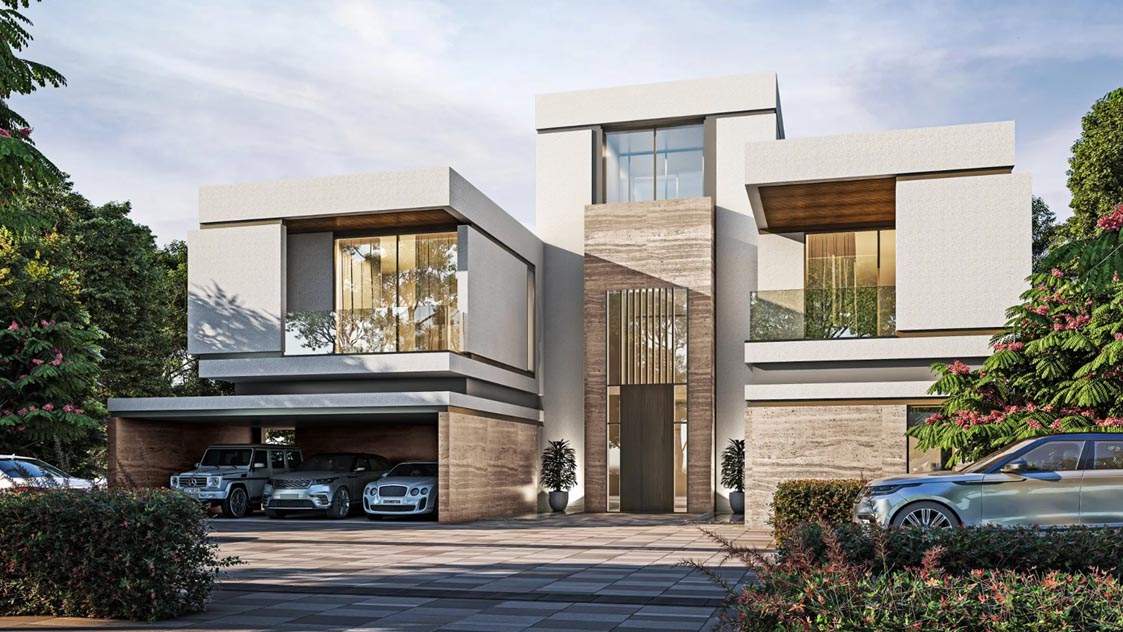
Townhouse and villa neighborhoods in Dubai often suffer from sameness. Drive long enough and you can lose your sense of place. Sobha Sanctuary counters that with elevation changes, sightline management, and facade palettes that stay within a signature language while allowing enough variation to feel bespoke. Materials matter in this climate. Expect shaded recesses, deep overhangs, and facade treatments that carry the eye without demanding maintenance crews every few weeks.
The master plan expresses a few smart principles. Streets avoid unnecessary hairpins, which helps both safety and comfort. Front setbacks are disciplined, giving each home a sense of breathing room, and back gardens are protected from direct overlook by careful window placement and fencing profiles. Car access is practical instead of ornamental, with driveways that fit family use rather than just visitor optics on launch day. The developer’s habit of testing heat and glare at different times of day shows up in orientation choices. You will notice living areas that avoid punishing afternoon sun, particularly in summer months when it counts.
Landscaping deserves more attention than it usually gets. In Sobha Sanctuary Villas, planting is not treated as a late add-on. Irrigation is planned for durability, and species selection favors resilience over exotic flair. You still get color and texture, but not at the expense of water waste or constant replacement. Long-term residents will appreciate tree placements that promise shade canopy in three to five years, not a decade. In Dubai, a mature shade tree can change the way a street feels by reducing reflected heat and glare, not just temperature.
The layouts that shape daily life
Show me a floor plan and I’ll tell you how a family will actually live in it. Many villa designs look stunning empty but frustrate after the first month when furniture arrives and life starts. Sobha Sanctuary Townhouse and Villas shows a level of pragmatism that comes from iteration. Corridors are trimmed to minimize dead space. Ceiling heights are generous without inflating cooling loads unnecessarily. Kitchens are designed to function as real working spaces. That means full-height pantry runs, thoughtful positioning of fridge and cooking zones, and enough landing space to plate food without juggling trays.
The townhouse typologies merit attention. Townhouses typically aim for families optimizing budget and location while retaining enough private space to avoid the compromises of apartment living. Here, the townhouse footprints strike a balance: living and dining zones that flow into the garden for weekend gatherings, a bedroom on the ground floor that can swing between guest use and study, and upstairs bedrooms that split between a master suite and children’s rooms with adequate wardrobes. Window placement suggests good cross-ventilation on mild days, which is often ignored in a city that relies on air conditioning. Stairs are comfortable rather than steep, a small thing until you carry a sleeping child or a laundry basket.
Villa typologies add width and deeper plot engagement. Sobha Sanctuary Villas often introduce family lounges upstairs, a space that cuts down friction when children get older and want a semi-independent area for homework or gaming without retreating entirely behind closed doors. Powder rooms sit where they should, near living spaces, and guest bedrooms have access to bathrooms that do not require crossing the main living area in slippers. Anyone who has hosted relatives will know why that detail matters.
Storage is abundant, and not just in wardrobes. Utility spaces are planned for real chores: laundry with room to fold, external storage for bicycles or seasonal items, maid’s rooms that do not feel like leftover slivers of plan. In the townhouse and villa segments, it is rare to see storage treated seriously, yet this is what keeps homes tidy in the long run. Sobha’s pattern of providing integrated joinery, even in baseline specifications, helps residents avoid scramble buys of mismatched cabinets after move-in.
Build quality and what to look for
Developers say many of the same things about quality. The difference shows in the details you can touch and the ones you cannot. Sobha designs and builds its own joinery, metalworks, and MEP, which reduces the interface risk between suppliers. Door sets feel weighty without being heavy. Hardware is aligned and consistent across the home. Tile laying keeps lines true, especially at corners and transitions. Grout color matches the tile, and expansion joints are placed intelligently. These cues do not just look good on day one. They age better.
Air conditioning matters in this climate more than any finish. A well-balanced system reduces hot spots, drafts, and noise. Sobha Sanctuary uses zoning controls to let you cool spaces you are using while keeping others at maintenance level. Duct and diffuser placement avoids blasting the sofa or dining table, which helps comfort and reduces complaints during family gatherings. Look for return air grilles that are easy to access because filters need regular cleaning in dusty months. When families skip maintenance because access is awkward, systems strain and bills climb.
Water systems are pressurized to deliver consistent flow without the whistling noises that plague cheaper installations. Mixer quality matters. A smooth travel and stable temperature save frustration. These are not the headliners in a sales brochure, but they make a house livable without constant tinkering.
Community amenities that actually get used
Amenities only matter when they align with daily routines. A grand clubhouse with marble columns that sees visitors twice a month is not an amenity, it is a cost center. Sobha Sanctuary focuses on usable facilities: temperature-controlled pools that allow lap swimming during shoulder seasons, shaded splash areas for kids, and fitness rooms that feel like you could skip a gym membership without regret. Running and cycling paths loop in sensible lengths, not just a decorative strip along one boundary.
Parks matter. The best ones offer varied programming inside a single green space. You want a lawn for free play, a shaded pocket with benches for quiet conversations, and a small pavilion that can host weekend yoga or a PTA gathering. Lighting after sunset tends to be soft and even, not stadium bright. People linger longer when light levels are comfortable and consistent, and communities feel safer with eyes on the park well into the evening.
Retail inside villa communities can be hit or miss. A convenience store and a decent cafe usually do the trick. If Sobha Sanctuary attracts a grocer with reliable fresh goods, a coffee spot with indoor and outdoor seating, and perhaps a pharmacy, residents will find themselves walking for errands instead of driving. Those micro-wins accumulate into a better daily rhythm.
Sustainability beyond the brochure
Sustainability is only credible when it shows in utility bills and maintenance cycles. In Sobha Sanctuary Villas, you see envelope strategies that reduce heat gain: higher-performance glazing, insulated roof assemblies, and paint finishes that reflect more sunlight without looking chalky. LED lighting and occupancy sensors in common areas cut waste. Landscaping plans favor drought-tolerant species, driplines rather than inefficient sprinklers, and soil improvements that retain moisture longer.
Solar readiness appears in some villas, with roof allowances for panels and inverter space. Even if residents do not install panels immediately, the provision avoids complicated retrofits later. Water heaters with heat pump technology can further reduce energy draw compared to resistive options, though adoption varies based on initial cost and service familiarity in the market. Garbage sorting stations are often introduced with community education rather than left to guesswork, a necessary step if recycling targets are to mean anything.
Who this community suits
A good development is not for everyone. It is designed for a certain life stage and preference set. Sobha Sanctuary Townhouse and Villas feels tailored for families that value privacy, practical space, and a controlled aesthetic. Buyers who want loud architectural statements or bohemian street life will find the community too curated. Those who like morning runs on shaded paths, backyard barbecues without a neighbor’s window looming, and a predictable routine will feel at home.
Investors looking for rental appeal will note a few points. Townhouses near schools and well-planned amenities tend to rent quickly in Dubailand. Villas with four or five bedrooms attract longer leases, often from families relocating for work with housing allowances. Gross rental yields in this segment typically sit in the mid-single digits, with upside when supply tightens or when nearby infrastructure upgrades complete. Maintenance is a real cost, but high-quality construction reduces surprise repairs, which protects net yield.
End-users considering a purchase should map space use against their next five to seven years. If children are young, proximity to a nursery and a primary school matters more than later IB readiness. If teenagers are part of the plan, think about desk niches, sound insulation between bedrooms, and the ability to host friends without disturbing the whole house. Townhouses can handle this with smart zoning. Larger villas make it easier, but come with taller utility and maintenance bills. It is a trade many families are happy to make if the home doubles as a social hub.
Buying experience and what to verify
Off-plan buying dominates much of Dubai’s villa market. Sobha’s delivery track record is a strength, but buyers should conduct their own checks. Study payment plans carefully. A comfortable plan aligns construction milestones with your cash flow so you are not overexposed before structural completion. Ask for mock-ups of kitchens and bathrooms, not just mood boards. Touch the finishes, open the cabinet hinges, check the soft-close mechanisms, and test the faucet travel.
Snagging is where peace of mind is earned. At handover, a detailed snag list with photos and room-by-room notes helps close loops quickly. Most developers respond faster when the list is structured and concise. During the defects liability period, log everything. Do not wait to accumulate issues. A steady cadence of rectifications reduces the end-of-period rush and yields better workmanship.
Community management fees can surprise newcomers. Review the budget for landscaping, pool maintenance, security, and reserve funds. Quality communities cost money to run. The question is whether the fee reflects real services and preventative maintenance rather than patch jobs. Owners who engage with the community management early often help set the tone for upkeep and resident behavior, which, in turn, supports property values.
Comparisons in context
Dubai’s villa landscape is broad. Comparing Sobha Sanctuary with Dubai Hills villas or Arabian Ranches makes sense because these are mature benchmarks. Dubai Hills offers integration with a large-scale mall and a golf course, plus exceptional road links into central areas. Arabian Ranches trades on established greenery, community feel, and school access. Sobha Sanctuary in Dubailand positions itself between these, combining younger infrastructure with a tighter architectural control and a reputation for construction precision.
Where Sobha might lead is in fit-and-finish consistency across units. Some larger communities rely on varied subcontractors over long build cycles, and unit quality can vary block to block. Sobha’s vertically integrated model tightens those tolerances. Where it might lag is in the immediate wow factor of a marquee golf course or metro adjacency. That said, families who value day-to-day reliability over Instagram moments will likely prefer the steadier proposition.
The lived-in perspective
A development’s truth emerges after the first summer. That is when AC loads spike, when sealants and joints announce whether they were installed right, and when landscaping either survives or wilts. Reports from comparable Sobha communities suggest stable interior temperatures, limited rattling from mechanical systems, and predictable maintenance cycles. You hear about practical wins like smart thermostat controls that family members can actually use and more info kitchen hardware that does not devolve into a chorus of squeaks.
Noise transmission is a quieter story, literally. Good party wall construction in townhouses reduces neighbor noise to the occasional muffled tone rather than shared-life symphony. In villas, double glazing and insulation dampen outside sounds so children can sleep even when a weekend event is underway in the neighborhood park. If you are sensitive to acoustics, bring it up in your site visits. Stand in a room with the AC on and listen at night. Your ears will tell you more than a brochure can.
What to check during a site visit
A single visit will not tell the whole story, but it can reveal a lot when you know where to look. Walk the route from car to front door. Note shade coverage and slip resistance of paving. Open and close the main door to gauge weight, alignment, and threshold sealing. In living areas, check sightlines into the garden and the degree of privacy from neighboring second-story windows. Measure mentally where a dining table, sofa, and TV wall would sit. If they do not fit comfortably on paper, they will not fit in reality.
In kitchens, look under the sink for access to shut-off valves. Confirm that appliance spaces allow for ventilation and cleaning access. In bathrooms, run taps and showers for a minute. Water should flow smoothly without pulsing. Tilt and lock windows to test their mechanisms. On upper floors, step onto balconies and feel the railing rigidity. It should not flex easily. In the garden, ask about soil preparation and irrigation zones. Grass laid over unprepared sand will struggle. A layered soil profile with proper drainage saves money and frustration later.
For community checks, drive the internal roads at school run time if you can. Observe traffic behavior and parking discipline. Peek into the gym during evening hours to see if it has the capacity to handle peak demand. In the parks, look at wear patterns on turf and equipment. Well-maintained areas show timely upkeep rather than hurried patching.
A realistic view on value
Price per square foot is a blunt instrument. For Sobha Sanctuary, value lives at the intersection of site planning, construction quality, and maintenance. Over a five-year horizon, the biggest drains on satisfaction are not the initial price but the small daily frictions: squeaky doors, fluctuating water temperature, patchy landscaping, and muggy rooms. When those are absent, a home quietly earns loyalty.
Resale dynamics favor communities with consistent aesthetics and community enforcement that keeps visual clutter at bay. If you plan future modifications, check the design review process. Well-managed approvals protect property values by preventing incompatible extensions or ad hoc pergolas that degrade street character. It can feel restrictive, but in practice, it is one of the reasons buyers return to such neighborhoods.
A short decision guide
- If your family needs three to four bedrooms and values community amenities over proximity to the urban core, the townhouses merit a close look. If you want larger plots, extra living spaces, and room to host, the villas justify the premium, especially for longer holding periods. If you depend on public transport, this is not the right fit. A car-dependent lifestyle is assumed here. If you are weighing rental yield, focus on layouts near parks and schools. They attract longer leases with fewer voids. If you are picky about finishes, schedule time at the mock-up units. The tactile experience will help you judge whether Sobha Sanctuary aligns with your expectations.
The bottom line for Sobha Sanctuary Villas and townhouses
Sobha Sanctuary does not chase spectacle for its own sake. It leans on disciplined planning, in-house execution, and a clear-eyed view of how families actually use space. Sobha Sanctuary Villas at Dubailand benefit from an evolving location that is starting to feel complete, not provisional. The townhouses deliver pragmatic layouts and storage that new owners will appreciate on week three and year three alike. The villas offer the breathing room and sophistication that anchor a family’s routine for the long run.
No development is perfect. Traffic peaks will test patience on school days. Community fees will reflect a certain standard, not a bargain basement. But in the categories that count for long-term satisfaction – build quality, acoustic comfort, usable amenities, and restrained aesthetics – Sobha Sanctuary sets a high bar. For buyers who value reliability and quiet confidence over flash, it represents a benchmark worth serious consideration among the new wave of Dubai’s townhouse and villa offerings.