Dubai does not stand still. Neighborhoods that were desert a few years ago now anchor family lives, school runs, and quiet weekend rituals. Against that backdrop, Sobha Sanctuary arrives with a simple promise: villas that feel private and refined, yet sit within the city’s rhythm. If you are weighing a purchase or simply scanning the market for what comes next, it helps to understand where Sobha Sanctuary fits and what it actually offers, beyond the brochure language.
Where it sits in the city, and why that matters
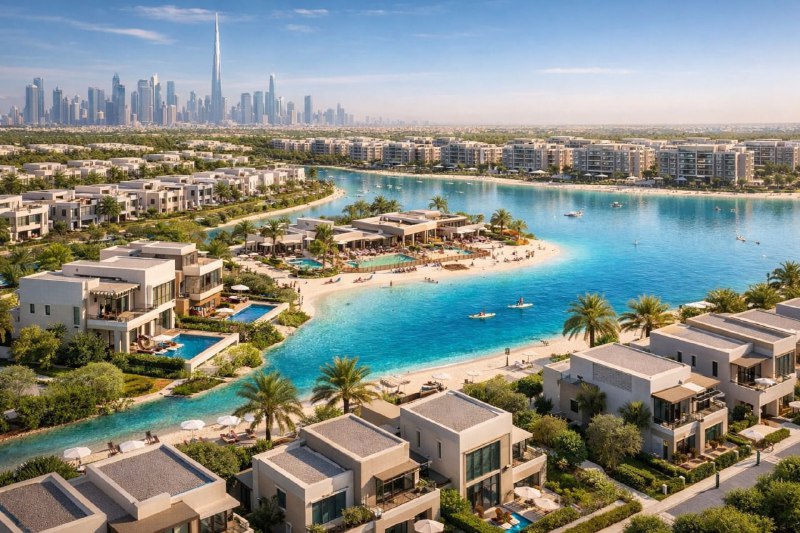
Sobha Sanctuary Villas at Dubailand takes its name seriously. The site sits within the broader Dubailand corridor, a vast district that has matured in stages over the past decade. When people hear “Dubailand” they sometimes remember early marketing hype rather than the reality on the ground today. The reality is a mixed landscape of completed residential communities, upcoming clusters, and long-established schooling and retail nodes. From a practical standpoint, living here gives you a straight shot to key arteries like Sheikh Mohammed bin Zayed Road and Al Ain Road, with more than one way to duck traffic when it flares up. Downtown and Business Bay are reachable in around 20 to 30 minutes in off-peak conditions, Dubai International Airport in roughly the same window. If you work in Media City or the Marina, add another 10 to 15 minutes depending on your departure time.
What Website link you gain with this location is space and a quieter profile than denser urban quarters. What you give up is immediate proximity to the coast. For some buyers that trade is easy to accept. For others the need to plan beach days instead of deciding last minute might feel like friction. Both are valid. The important thing is being honest about your week: school runs, commutes, gym time, deliveries, and the radius of your social life. Dubailand suits those who want a detached home and more breathing room without leaving the city grid.
The concept: low-rise, high privacy
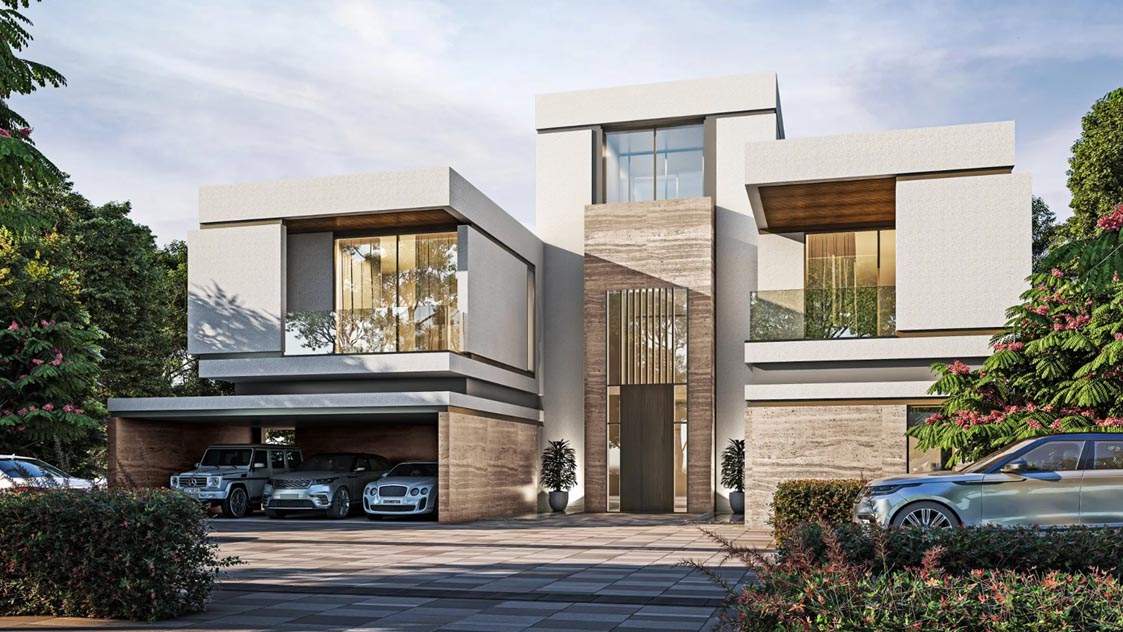
Sobha’s reputation in Dubai rests on a particular aesthetic and build technique. They tend to favor clean lines, muted palettes, and materials that wear well, not just in photographs but across summers and sandstorms. Sobha Sanctuary Villas follow that language. Expect facade treatments that mix stone or textured render with metal accents, full-height glazing, and simple geometric massing. The result avoids the fussiness that dates quickly. The interiors follow the same ethos. Rooms read as proportions rather than ornament, and the feeling you get is calm rather than ostentatious.
Privacy is one of the development’s selling points. Plots appear sized to allow landscaping to do real work, not just decorative edges. In practical terms, that means hedges and trees can grow into a visual buffer in the second year, not the fifth. Terraces look onto gardens rather than a neighbor’s kitchen. It is not absolute seclusion, this is still a planned community, but the bones support a lived-in level of discretion that many townhouse schemes cannot match. If you are familiar with some of the tighter-lot offerings elsewhere, this difference jumps out on a walkthrough.
Villa layouts and the flow of daily life
The official mix typically includes three to five bedroom homes, with variants that swap a family lounge for a study, or add a driver’s room. The driving idea is a ground floor centered on a combined living and dining area, commonly framed by sliding doors that open to a patio and pool deck. Kitchens often come in two pieces: an open show kitchen for social cooking and a back kitchen that handles serious prep. Anyone who has hosted a dinner while trying to keep a lid on the mess knows why this matters. You cook where the guests are, you stage where the noise and grease belong.
Upstairs, primary bedrooms tend to claim full-width balconies and true en-suite bathrooms, often with both shower and soaking tub. Secondary bedrooms share a bathroom in smaller layouts or get their own in larger ones. Storage is handled with built-ins rather than freestanding wardrobes, which keeps the lines clean but does require you to plan your closet fitout early if you want custom internals.
Floors typically use large-format porcelain or stone in living areas with soft flooring in bedrooms, and the staircases are solid underfoot rather than hollow-sounding. These details matter for how a house feels. A villa that looks premium but echoes when you walk betrays its construction. Sobha’s track record suggests you will not deal with that dissonance. Doors close with a reassuring weight, and the acoustics let a family run its parallel lives without constant sound bleed.
Outdoor spaces that people actually use
Dubai’s climate shapes how you use a garden. You get shoulder seasons of perfection, a hot stretch that requires shade and water, and short episodes of rain that test drainage. The better villa plots anticipate all three. In Sobha Sanctuary, the default plans leave room for a proper pergola, not just a retractable awning. Expect pre-plumbed and pre-wired corners that make it easier to add an outdoor kitchen or a sound system later without tearing up the pavers. The pools are scaled for cooling dips rather than lap training, which is realistic for most families. If you are a serious swimmer, you will still go to a clubhouse pool for length work.
Landscaping packages vary, but the point is to start with drought-tolerant species that do not turn brittle under strong sun. The mistake many first-time villa owners make is installing thirsty turf across the entire plot. It looks bright for a month, then your DEWA bill introduces you to reality. A smart garden uses a mix of local-adapted trees for shade, synthetic turf in high-traffic play strips if you have children, and gravel beds that drain well and keep dust down. The developer’s base design leans that way and can be refined during the post-handover period.
Community amenities and the social fabric
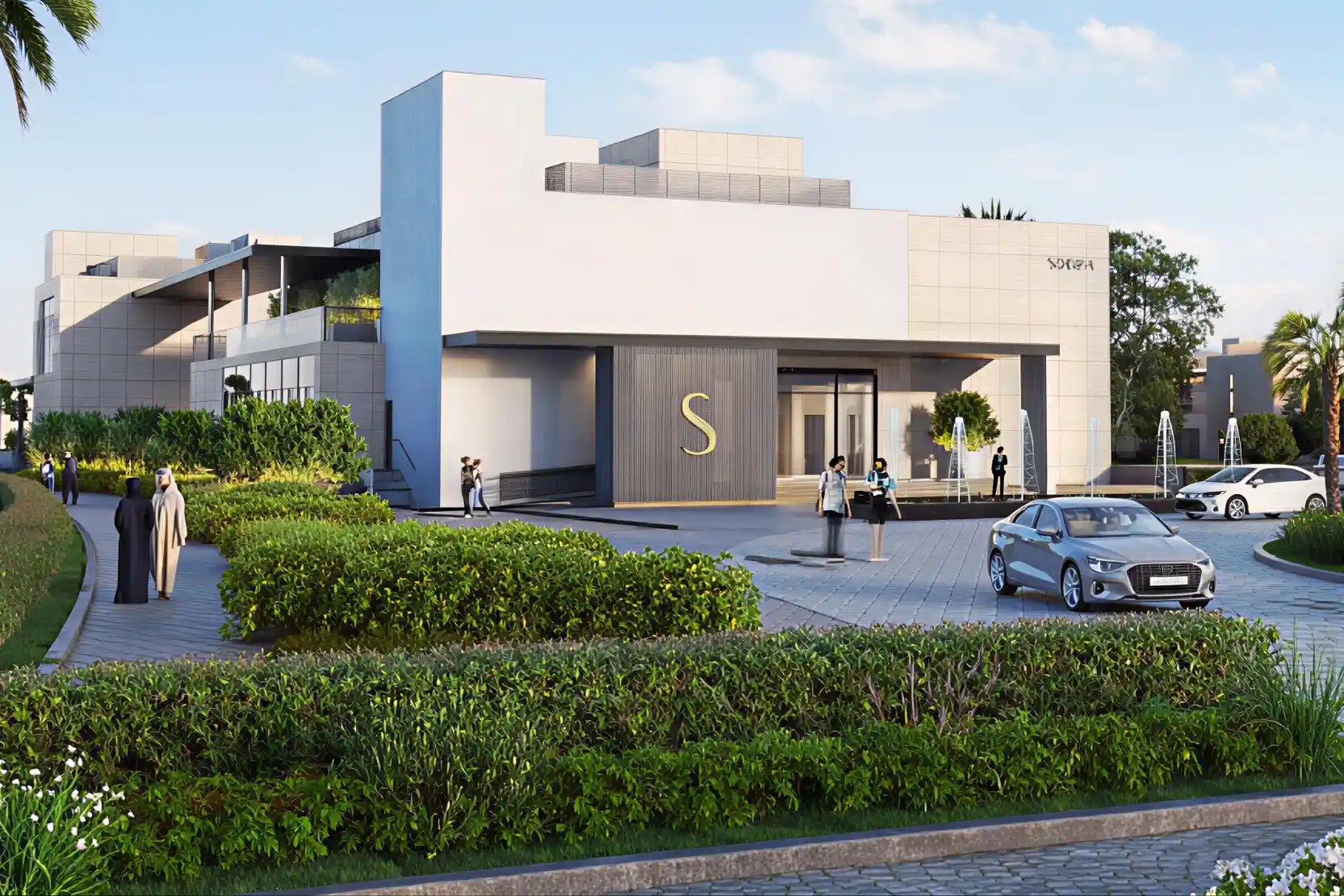
A luxury villa cluster now lives or dies by its community layer. Private space is the anchor, but people choose a neighborhood by the places they share. Sobha Sanctuary Townhouse and Villas aligns with the new baseline: a central clubhouse, fitness facilities, adult and family pools, shaded play areas, and landscaped jogging loops. The presence of padel or tennis courts depends on the final amenity program, though Sobha typically integrates at least one racket sport. Wi-Fi in common areas and work pods in the clubhouse are becoming standard, and you can expect that here as well.
What tends to separate a good community from a forgettable one is how these amenities get used. The best management teams seed a calendar with small, regular events. Not fireworks and grand openings, just steady touches that let neighbors meet without forcing it. Saturday morning farmer’s stands, kids’ art hours, or a rotating line-up of food trucks. If Sobha keeps the service quality they’ve shown in other projects, residents will feel the place “works” without needing to manage it themselves. If you have lived in a community with weak management, you know how quickly pool rules, parking, and maintenance can turn into friction.
Construction quality and the things you do not see
Dubai buyers are more demanding than a decade ago. They ask about MEP systems, waterproofing, and glazing specs, not just the countertop stone. Sobha has earned a reputation for controlling the build process more tightly than many peers. That shows up in consistent grout lines, flush door frames, and the unglamorous areas: service ducts, roof insulation, and basement waterproofing where applicable. You will not tour a duct, but you will notice stable interior temperatures and lower humming from air handlers.
Look for double glazing that truly blocks heat gain, not just sound. Ask about the solar heat gain coefficient and U-values of the windows, and check if the villa integrates any solar provisions or inverter-ready circuits. Good design is larger overhangs on upper floors that shade ground-level glass. With those, you get lower cooling loads in summer and less direct glare, which means a home that feels comfortable during peak sun rather than cave-like behind blackout curtains.
Waterproofing shows its quality when it rains. Poorly detailed terraces leak into ceilings below. Well-detailed ones keep water moving away from the structure through a gradient you barely notice. Ask about the warranty coverage periods. The structural warranty in Dubai typically runs longer than finishes, but the strength of a developer’s after-sales service is as important as the paper. In other Sobha projects, service teams have been responsive within the first year when settlement cracks or snags appear. Hold them to that standard here.
Sustainability, real and performative
Many developers talk about sustainability because the market expects it. The question is how much of that talk changes your bills and comfort. The most useful features in this climate are not flashy. They are properly insulated roofs, air-tight doors and windows, VRF or high-efficiency DX cooling systems, LED-only lighting, and smart controls you actually use. A home automation system that lets you set schedules and scene lighting will save energy if you interact with it beyond the first week. If you are hands-off by nature, insist that the default schedules are conservative so you do not leave exterior lights blazing until sunrise.
Landscape sustainability matters too. Drip irrigation and moisture sensors keep water use sane. Mulch around trees saves more water than you might think, and selecting the right plant species does more than a banner that says “eco-friendly.” If Sobha Sanctuary incorporates greywater reuse for irrigation at a community level, that would be a meaningful step, though such systems vary by project. If it does not, you can still retrofit smart irrigation controllers at the homeowner level for a modest cost.
The buying case: who it suits, who should think twice
The market niche for Sobha Sanctuary Villas is fairly clear. It suits end-users who want a freestanding home with a degree of privacy, appreciate consistent build quality, and are willing to live slightly inland for more space. It suits investors who prefer a branded developer with a record of handovers and strong leasing pools, and who aim for mid to high single-digit gross yields rather than speculative flips. In stable times, well-located villas in established communities can fetch 5 to 7 percent gross yields, with variation by size and finish. New communities may start lower while the neighborhood matures, then strengthen as facilities open and landscaping settles.
It may not suit those who prize walking access to the beach or to a metro station, or those who want a buzzing urban streetscape at their door. You can drive to those environments, but you will not live inside them daily. If you travel often and rely on ride-hailing for everything, factor in slightly longer trips for certain destinations. If you hold the property purely for short-term letting, check the community’s policy on holiday homes. Many villa communities restrict short-term rentals to preserve residential character. A medium-term furnished lease strategy can work if short-term is off the table.
Townhouses versus villas, and where the line sits
The development name mentions Sobha Sanctuary Townhouse and Villas, which points to a dual offering. For buyers trying to land on a form factor, the difference is more than the number of walls you share. Townhouses typically trade a lower entry price for higher density and smaller private plots. You still get a garage, bedrooms upstairs, and an outdoor area for dinners, but the margin for privacy is narrower. If your life runs on frequent hosting, a villa suits better. If you want to spend less and still live inside a well-managed, design-consistent community, a townhouse can be the right compromise. In resale markets, end-unit townhouses often command a premium thanks to extra light and a larger side garden, which narrows the performance gap with smaller villas.
Practical details that matter on inspection day
I tell clients to bring three things to a viewing: a phone with a compass, a small marble or ball bearing, and a willingness to turn on everything. The compass tells you orientation. In Dubai, north and east exposures generally feel kinder during afternoons than full west, which can be harsh. The marble reveals floor slopes around showers and terrace thresholds. If the ball runs toward the interior of a bathroom, flag the drainage. Turning on everything means checking a villa as you would live in it: all AC zones, all taps, simultaneous appliances in the kitchen, and hose bibs in the garden. Listen for vibration through walls when a flush happens upstairs. You are not trying to trap anyone, you are trying to know the home as it is.
For Sobha Sanctuary, also test smart home features. Pair a phone to any provided app and see how intuitive it is to schedule scenes, control HVAC, and monitor energy use. Ask whether firmware updates arrive over the air or require service visits. If a digital system feels clunky at handover, you will not engage with it later. The best tech melts into your routine.
Life inside the gates: how a day might feel
Imagine a weekday. Early light hits the eastern facade, and the living room stays calm rather than blinding, thanks to the overhang and glass spec. Coffee happens at the kitchen island, not because a brochure told you so, but because the space is sized and laid out for it. Kids spill into the garden for ten minutes before school without tracking sand into everything. Midday, the house stays temperate without the AC fighting its own ducts. Later, the clubhouse gym gets steady use but does not feel crowded. The pool sees a late-afternoon run of parents and kids, then quiets by early evening. A food truck rotates through on Thursdays, and you recognize the couple from two streets over because you saw them at the racket courts the previous week. The security team knows faces but does not hover. These are small things, but they define whether a house becomes a home.
The numbers, and how to think about them
Dubai villa pricing moves with the wider cycle, but certain anchors apply. Branded developers with a build track record and community management usually price at a premium over newcomers. That premium can hold in resale if the handover experience is smooth and service quality stays high. Payment plans vary, often with a construction-linked schedule and a handover tranche. If you plan to finance, loop your bank in early to align the payment plan with drawdowns. Mismatches create avoidable stress.
Service charges deserve attention. Villas carry lower service charges per square foot than high-rise apartments, but absolute numbers still matter given the private plot and amenities. Ask for a forecast, not just a range, and verify what it covers. Pools, landscaping of common areas, gatehouses, and clubhouse staffing are not free to run. Well-funded associations prevent penny-pinching that degrades the environment, but you should know the cost line upfront. For landlords, these charges affect your net yield more than most realize.
Comparing to peers and nearby options
In the same catchment, you will find several villa and townhouse communities, each with its own balance of size, density, and amenity. Some prioritize larger plots and wide streets with fewer homes. Others pack more units in and lean on a big clubhouse to carry community life. Sobha Sanctuary Villas, as pitched, aim for the former temperament, with a focus on build precision and understated design rather than maximal amenity spectacle. That approach attracts a particular buyer profile: people who notice hinge alignment, who care about how a door closes, and who prefer neutral tones they can layer with their own furniture without clashing.
If you are cross-shopping, walk the streets at dusk. That is when a community tells the truth about itself. See how people use the public spaces, how parking behaves, and whether lighting is warm and even or patchy and harsh. Walk behind the clubhouse and listen for mechanical noise. Check sightlines between villas and note any direct window-to-window views. Little observations during that hour will save you from big regrets.
What ownership feels like in year two and beyond
The first year of any new villa is about settling. Materials adjust, landscaping takes root, and you figure out habits. A serious developer’s warranty teams should address minor cracks, door realignments, and any AC balancing needed after you live normally. In year two, the house fades into the background of your life, which is the best outcome. You will spend more time thinking about how to host a birthday in the garden than about grout lines. Good communities also develop their own rhythms. WhatsApp groups mature from noise into useful coordination for carpooling, lost cats, and the occasional marketplace post.
Because Sobha Sanctuary sits in Dubailand, long-term prospects tie to the district’s continued build-out. As more schools, clinics, and retail nodes open within a short drive, the daily radius tightens. For resale, that means less friction for buyers who want to tour and imagine their life here. For rental, it means tenants who want a villa but cannot commit to the purchase today will pay for convenience and consistency.
The bottom line
Sobha Sanctuary Villas promise a quieter, more private slice of Dubai life with the comforts many families value: good bones, measured design, and a community layer that supports rather than smothers. The Sobha Sanctuary Townhouse and Villas mix gives buyers a choice between fully detached living and a more compact footprint without exiting the brand’s standards. The location in Dubailand rewards those who want space and accept a drive to the coast. If you are that buyer, this development sits squarely on your shortlist.
Two closing thoughts from years of walking sites and handing over keys. First, visit at different times of day. Morning light, afternoon heat, and evening activity each tell you something a brochure cannot. Second, test for fit, not just finish. A home that fits your routine will forgive small imperfections. A home that fights your routine will amplify them. Sobha Sanctuary, on paper and in early impressions, leans toward fit. If the execution matches the intent, residents will have a place that wears well, not only in the first season but through the cycles that follow.